Introduction: As we know, credit score is more than just a number; it’s a key that can open doors to financial opportunities. If you find yourself with a 500 credit score, don’t be discouraged. Today we’ll discuss practical ways to help you raise your credit score from the 500s to the 600s, setting the sail of improved financial health and better opportunities.
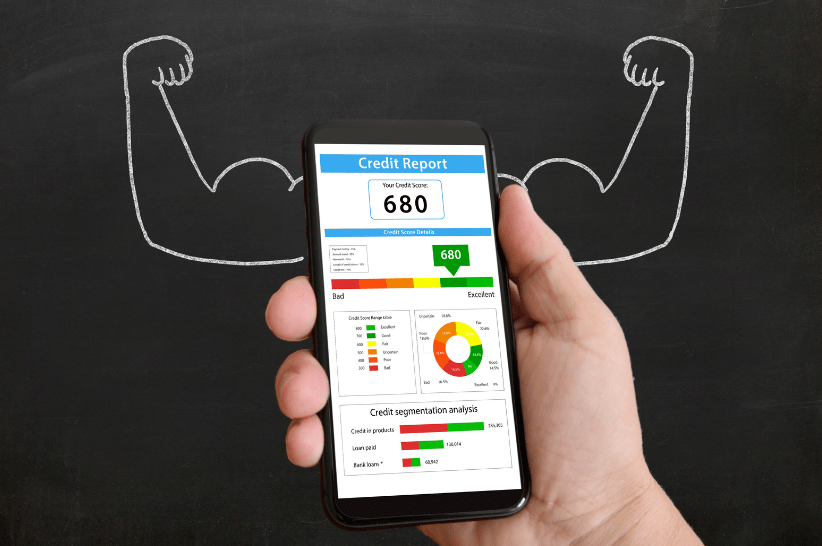
1. Assess Your Credit Report: Begin your journey by obtaining a copy of your credit report from all three major credit bureaus—Equifax, Experian, and TransUnion. Get a FREE detailed report here. Look over the report for errors, discrepancies, or any outstanding issues that may be dragging down your score. Dispute inaccuracies to ensure your credit report reflects accurate information.
2. Prioritize Timely Payments: Consistently making on-time payments is one of the most impactful ways to boost your credit score. Set up reminders or automatic payments to ensure you never miss a due date. *Twelve on-time payments are needed to undo one late payment.* Timely payments demonstrate financial responsibility and contribute positively to your credit history.
3. Address Outstanding Debts: Tackle outstanding debts strategically to alleviate the burden on your credit score. Try to bring balances under 30% utilization. Prioritize paying off high-interest debts first while ensuring you meet minimum payments on all accounts. Consider negotiating with creditors for more favorable terms or exploring debt consolidation options to streamline payments.
4. Diversify Your Credit Mix: A healthy credit mix can positively influence your credit score. If your credit report primarily consists of one type of credit, such as credit cards, consider diversifying. A Self lender account, or a pledge loan with some institutions can help with diversity. Exploring installment loans or different types of credit can demonstrate your ability to manage various financial responsibilities. Lenders like to see this on profiles.
5. Establish and Nurture New Credit Habits: Building a better credit score involves establishing positive credit habits. Spend what you can afford to pay back in one statement cycle unless absolutely necessary. Avoid opening multiple new accounts in a short period, and resist the temptation of maxing out your available credit. Consistency in responsible credit management will contribute to a gradual increase in your credit score.
Conclusion: There are a lot of things to consider when we’re looking to increase our credit score most of which requires patience, diligence, and a strategic approach to credit management. Begin by assessing your credit report, prioritize timely payments, address outstanding debts, diversify your credit mix, and establish positive credit habits. As you implement these steps, you’ll not only witness a numerical improvement but also empower yourself with a foundation for enhanced financial well-being. Remember, the journey to a better credit score is a marathon, not a sprint.
GET THE DIY CREDIT REPAIR TEMPLATES HERE TO DISPUTE INACCURACIES, CHARGE-OFFS, INQUIRES, LATE PAYMENTS, AND MORE! USE DISCOUNT CODE: ATRDCRT FOR 20% OFF THE TEMPLATES.
**If you’ve found this helpful, insightful, or entertaining, please subscribe below because it allows us to contribute more to this community. Thank you in advance for subscribing and reading.**


 Aspire to Rise
Leave a reply to Kevin Hall Cancel reply