In the labyrinth of human experience, emotional intelligence emerges as a guiding light, casting illumination on the nuanced interplay of emotions and intellect. This blog post delves into the layers of emotional intelligence, exploring its significance, components, and the profound impact it can have on our personal and professional lives.
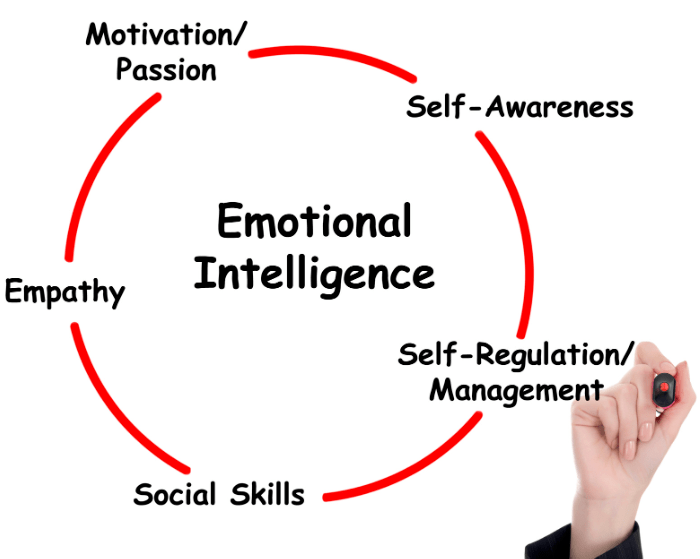
1. Recognizing Emotions as Signposts: At the core of emotional intelligence lies the ability to recognize and understand our own emotions and those of others. Emotions act as signposts, offering valuable insights into our needs, desires, and reactions. By developing this self-awareness, we gain a profound understanding of the emotional landscape, paving the way for more intentional and empathetic interactions.
2. Harnessing Emotions for Effective Communication: Emotional intelligence empowers individuals to navigate the intricate web of human connection with finesse. It involves not only understanding emotions but also harnessing them for effective communication. By expressing emotions authentically and perceiving the emotional cues of others, we foster genuine connections, build trust, and create a more harmonious environment.
3. Cultivating Empathy: A cornerstone of emotional intelligence is empathy—the ability to step into someone else’s shoes and understand their perspective. Empathy transcends sympathy; it involves a deep connection that bridges the gaps between individuals. Cultivating empathy enhances our relationships, promotes cooperation, and contributes to the creation of a compassionate and understanding community.
4. Managing Emotions with Grace: Emotional intelligence equips us with the tools to navigate the tumultuous waters of our own emotions. It involves the skill of managing emotions with grace and resilience, preventing emotional reactions from hijacking rational thinking. This self-regulation not only fosters personal well-being but also contributes to a positive and constructive atmosphere in our interactions with others.
5. Applying Emotional Intelligence in Leadership: In leadership, emotional intelligence emerges as a powerful force. Leaders with a high level of emotional intelligence inspire and motivate teams, navigate conflicts adeptly, and foster a positive organizational culture. By understanding and responding to the emotions of team members, leaders create an environment where individuals thrive and contribute their best.
Conclusion: In the intricate tapestry of human experience, emotional intelligence stands as a beacon, guiding us toward deeper connections, effective communication, and empathetic understanding. As we unravel the layers of our emotional landscape, the cultivation of emotional intelligence becomes not just a personal journey but a transformative force that ripples through our relationships, workplaces, and communities. Embracing the nuances of emotional intelligence enriches our lives and elevates the human experience to new heights.
 Aspire to Rise
Leave a comment