Disagreements are an inevitable aspect of human interaction, and the ability to engage in respectful dissent is a hallmark of mature communication. This blog post explores the art of disagreeing B with someone while maintaining mutual respect—a skill crucial for fostering understanding and preserving relationships.
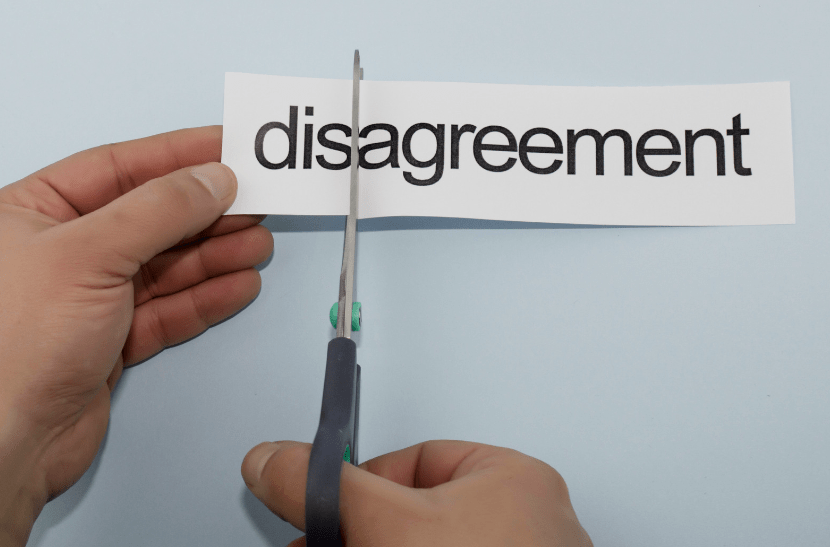
1. Active Listening as a Foundation: Respectful disagreement begins with active listening. Much like a foundation supports a structure, actively listening to the other person’s perspective builds a foundation for constructive dialogue. By genuinely understanding their viewpoint, you demonstrate a commitment to respectful engagement.
2. Choose Words Thoughtfully: Words have the power to either bridge gaps or widen divides. Philosophically, the choice of words reflects the respect we hold for others’ opinions. Thoughtful expression, free from inflammatory language, fosters an environment where disagreement can thrive without causing unnecessary harm.
3. Seek Common Ground: Healthy communication often encourages the exploration of common ground as a starting point for discourse. In disagreement, actively seek areas of agreement before delving into differences. Finding shared values or concerns lays the groundwork for a more collaborative and understanding conversation.
4. Embrace the Socratic Approach: The Socratic method, rooted in asking questions to stimulate critical thinking, is a valuable tool in respectful disagreement. Engage in a Socratic dialogue by asking open-ended questions that encourage the other person to articulate their perspective further. This not only deepens the conversation but also invites mutual understanding.
5. Acknowledge Different Perspectives: In respectful disagreement, acknowledging that differing opinions contribute to the richness of human experience is essential. Embrace the idea that everyone brings a unique lens through which they view the world.
Conclusion: Disagreeing respectfully is a nuanced art that elevates the discourse and strengthens relationships. By actively listening, choosing words thoughtfully, seeking common ground, embracing the Socratic approach, and acknowledging different perspectives, individuals can engage in disagreement without compromising respect. This approach not only fosters a culture of open dialogue but also contributes to a more harmonious and understanding society.
 Aspire to Rise
Leave a comment