The quest for knowledge has long intrigued humanity, but the possibility of knowing everything remains a philosophical enigma. This blog post delves into the limitations of human understanding and the intricate nature of the pursuit of knowledge.
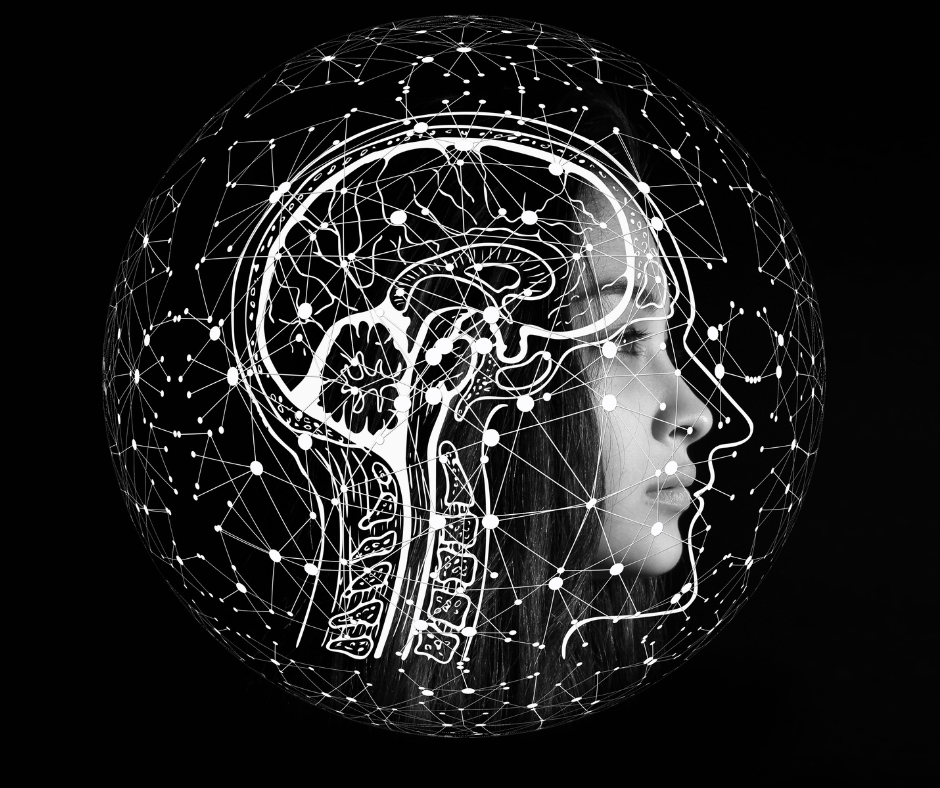
1. The Infinite Nature of Knowledge: Philosophically, the concept of omniscience, or knowing everything, encounters inherent challenges. The expanse of knowledge is vast and continuously expanding, making the notion of encompassing all information an elusive aspiration.
2. Limitations of Human Perception: Human perception and cognitive capabilities have inherent constraints. Our minds are finite, and our ability to process and assimilate information is limited. This limitation hampers the capacity to acquire and retain an infinite array of knowledge.
3. Example 1: The Dilemma of Specialization The increasing complexity of fields and the necessity of specialization underscore the impossibility of one individual knowing everything. The deeper one delves into a specific field, the more apparent it becomes that the depth and breadth of knowledge are virtually unattainable for one person.
4. The Unpredictability of the Unknown: The unknown and the unforeseen play a significant role in the limitations of knowledge. As new discoveries and inquiries unfold, the boundaries of the unknown continue to expand, perpetually moving the goalpost of comprehensive knowledge.
5. Conclusion: From a philosophical standpoint, the aspiration to know everything encounters inherent limitations stemming from the vastness of knowledge, human cognitive boundaries, and the unpredictability of the unknown. While the pursuit of knowledge remains an essential aspect of human endeavor, the recognition of the boundaries of understanding encourages humility and an acknowledgment of the perpetually evolving nature of knowledge. Embracing the pursuit of knowledge without the expectation of omniscience underscores the continuous and evolving journey of human understanding.
 Aspire to Rise
Leave a comment