Discipline is a word often associated with rules and rigidity. However, from a philosophical perspective, it transcends mere structure and order; it’s a cornerstone of personal and societal growth. In this blog post, we’ll explore why discipline is not just important but essential, considering philosophical viewpoints on how it shapes our lives, relationships, and the pursuit of meaningful goals.
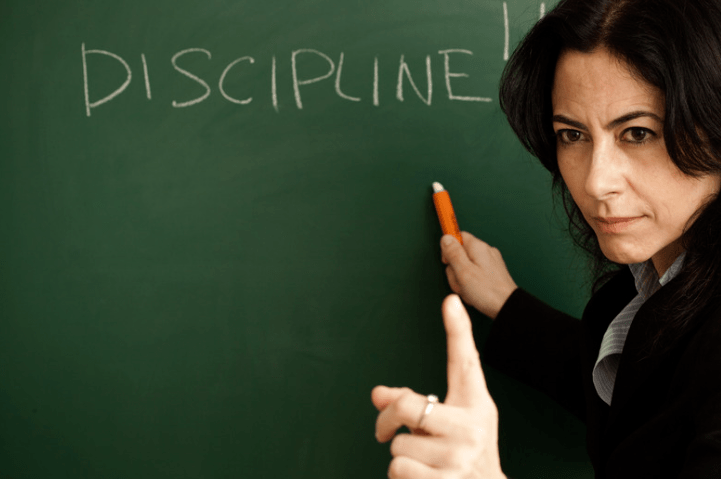
The Philosophical Essence of Discipline
In philosophy, discipline goes hand in hand with the idea of self-mastery. It’s about the conscious and voluntary act of restraining one’s impulses, desires, and behaviors to achieve a higher purpose or ideal. Ancient philosophers like Aristotle emphasized the importance of self-control and moderation as the keys to leading a virtuous life. They saw discipline as the path to excellence and moral fulfillment.
Individual and Collective Growth
From a philosophical standpoint, discipline is the bridge between our present selves and our better, future selves. It allows us to set and adhere to our principles, ensuring we don’t compromise our values when faced with adversity. On a collective level, discipline within a society, be it through laws or norms, helps maintain order and harmony, fostering an environment where individuals can thrive.
Discipline and Freedom
Discipline isn’t the enemy of freedom; it’s its enabler. Philosophers like Jean-Jacques Rousseau argued that true freedom arises from self-imposed discipline. When we exercise control over our impulses and act in alignment with our values, we’re liberated from the tyranny of our own desires. In this sense, discipline doesn’t restrict us; it empowers us.
Conclusion
From Aristotle’s virtue ethics to Rousseau’s philosophy of freedom, the importance of discipline is evident through various philosophical perspectives. It’s not a rigid constraint but a path C to self-mastery, individual and collective growth, and true freedom. In our quest for a fulfilling life, we must recognize that discipline, when viewed philosophically, is not just a means to an end; it is an end in itself. It is a tool for shaping our character, our relationships, and ultimately, the world around us. Embracing discipline is not about sacrificing spontaneity or creativity; it’s about becoming the best version of ourselves, as envisioned by some of history’s most profound thinkers.
 Aspire to Rise
Leave a comment